You're probably in one of two situations right now. You already know San Francisco is still where ambitious startups cluster, but every company page starts to look the same after a while. Or you're trying to make a smart move into startups in San Francisco without wasting weeks on noisy job boards, vague recruiter outreach, and roles that aren't the right fit.
That confusion makes sense. San Francisco remains the densest tech hub in the country, with 22.54% of its workforce employed in technology according to Startup Genome's Silicon Valley ecosystem profile. The city and broader Bay Area still hold a massive concentration of founders, engineers, capital, and startup formation, which is why job seekers keep circling back here.
The challenge isn't finding startups in San Francisco. It's finding the right ones. This guide narrows that field to seven companies worth watching in 2026 because they're building products talented operators truly want to work on. Notably, each one offers a different kind of career bet. Some are ideal for builders who like ambiguity. Others fit specialists who want scale, sharper systems, and real product influence. I'll focus on what makes each company compelling, what roles tend to make sense there, and how to get noticed without disappearing into a resume pile.
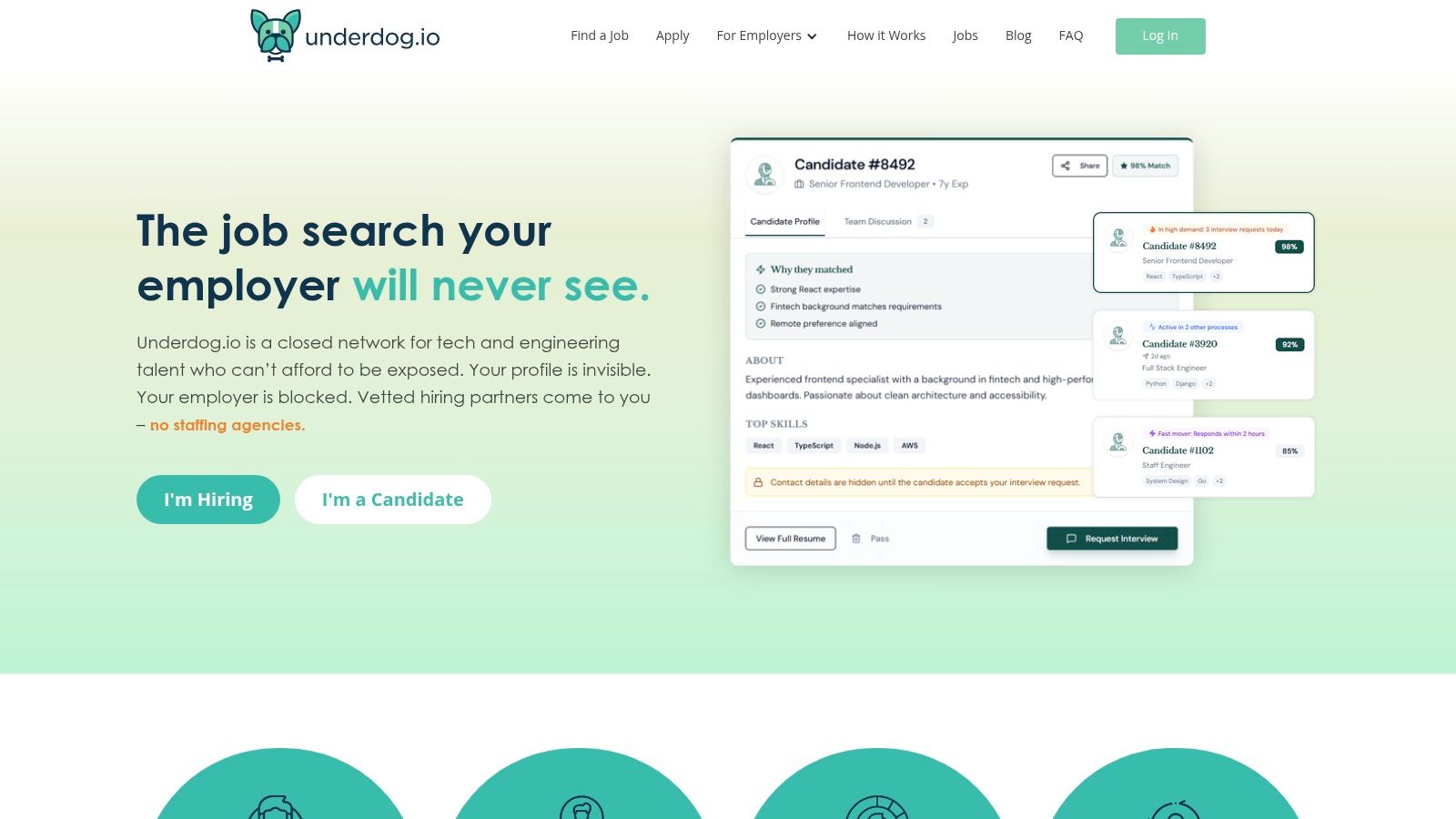
You have a solid job, you are curious about the San Francisco startup market, and you do not want your resume circulating across half the city. That is the use case Underdog.io handles well.
Underdog is a curated hiring marketplace built for employed candidates who want better startup options without turning their search into a public event. You apply once, stay anonymous until there is mutual interest, and get introduced to vetted startups instead of dropping into a generic ATS. For strong candidates, that changes the math. Time goes to a smaller set of higher-intent conversations.
The appeal is not reach. It is filtering.
Underdog reviews both sides of the market. Candidates are screened. Startups are screened. Intros are selective. That structure tends to work best for engineers, product managers, and designers who already have traction and want signal over volume.
Practical rule: Strong startup candidates usually do better in channels built around fit, not application count.
There are real trade-offs:
Underdog is strongest for software engineers, product managers, product designers, and other startup-ready technical hires. It is also useful for candidates whose experience does not fit a clean title, such as engineers moving toward product or operators who have worked across product, growth, and customer needs in smaller companies.
To understand the process before applying, review Underdog's guide to San Francisco startup jobs and how the platform works. The main advantage is speed, but the more important advantage is curation. In the SF market, that usually beats sending twenty more applications into systems no one checks closely.
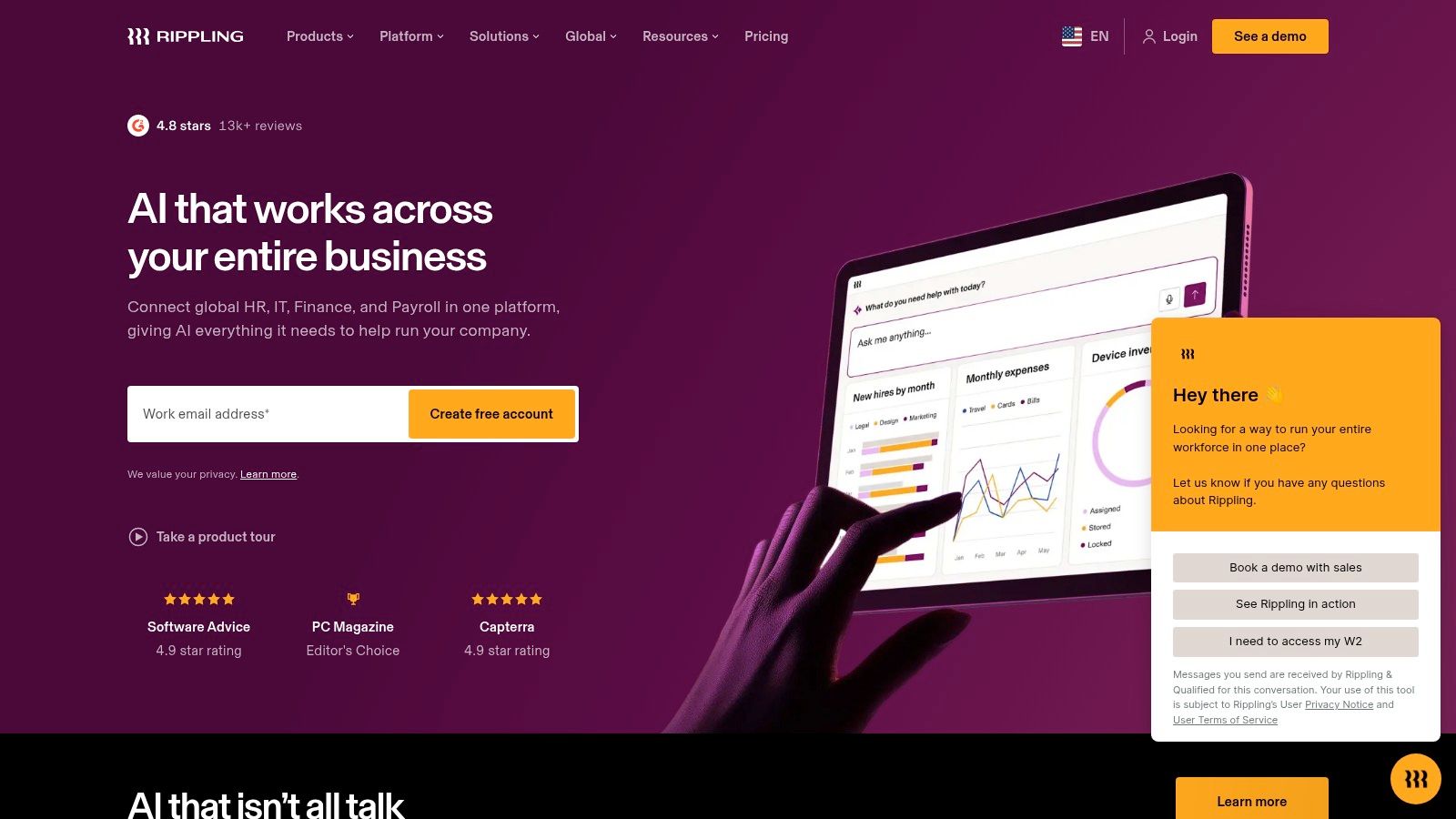
Rippling appeals to a certain kind of operator. The people who like messy company problems and want to turn them into clean systems. Payroll, benefits, device setup, app provisioning, expenses, permissions, and finance workflows usually live in separate tools. Rippling's pitch is that they shouldn't.
That product scope creates interesting work. Engineers don't just ship isolated features. They work on the connective tissue between HR, IT, and finance. PMs and designers get similarly cross-functional exposure.
This is a strong fit for candidates who like operational complexity more than consumer flash. If you've worked on internal platforms, workflow automation, admin tooling, or systems that need to be right, not just attractive, Rippling is a serious company to watch.
Its product includes global payroll, benefits, HRIS, IT and identity management, and finance modules. Teams can start with one product layer and expand into others, which often creates room for broad platform work.
The best infrastructure companies often look less glamorous from the outside than they feel on the inside.
The trade-off is familiar. Broad platforms can become hard to compare from the outside, especially when pricing requires a sales conversation. That matters more to buyers than candidates, but it can also signal a product organization juggling many customer profiles at once.
For job seekers, that usually means looking for roles in product engineering, platform, security-adjacent engineering, product design for workflow-heavy surfaces, and revenue or operations functions that can handle scale. If you want a wider view of how teams hire at startups in the city, this overview of San Francisco startup jobs and hiring paths is a useful companion.
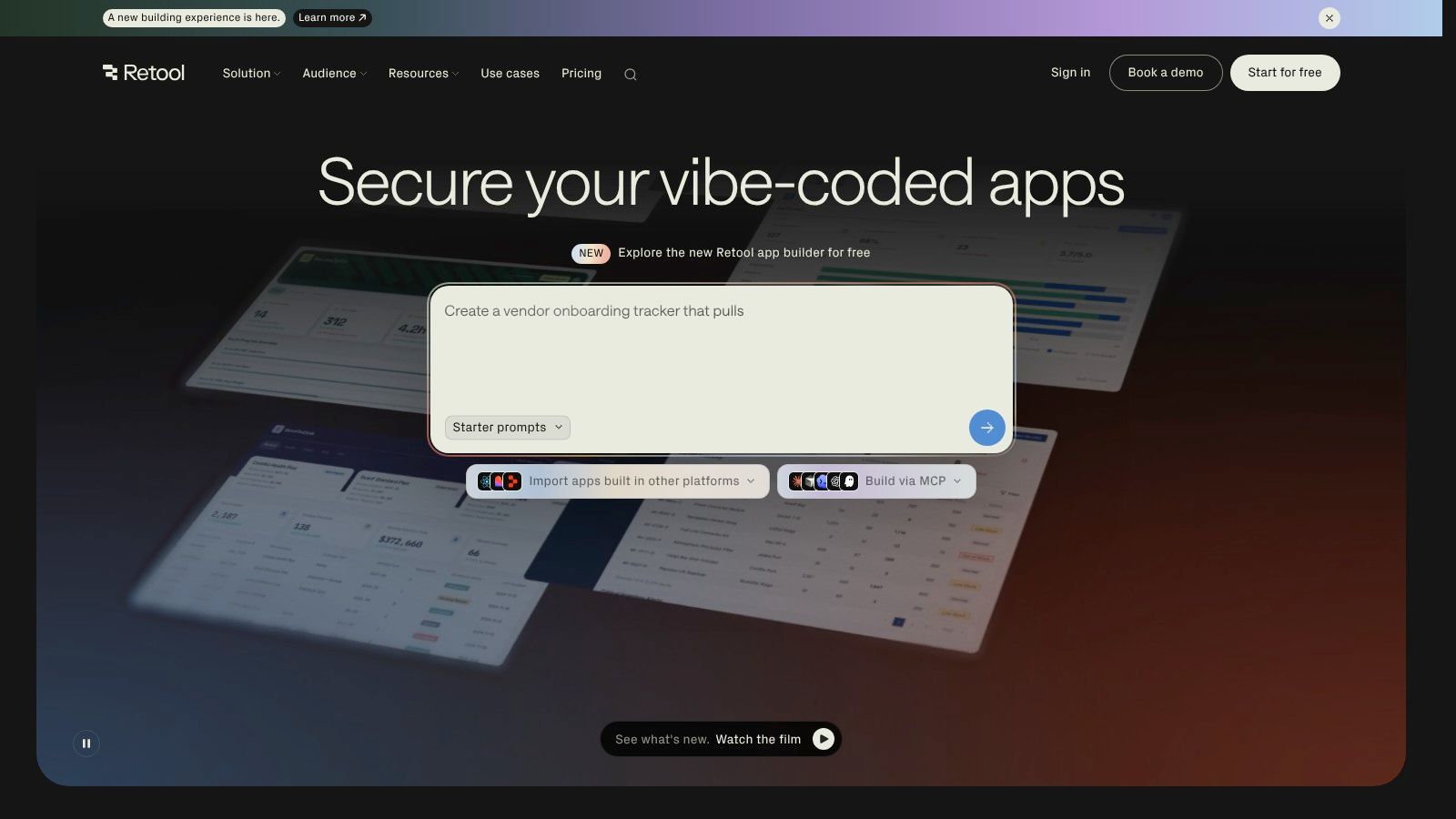
Retool sits in one of my favorite startup categories. Products built for people who build and operate companies. It helps teams create internal apps fast, especially admin panels, CRUD tools, dashboards, and operations workflows connected to databases and APIs.
That sounds niche until you've worked inside a scaling company. Then you realize half the business runs on tools nobody wants to build from scratch.
Retool tends to attract practical engineers and product people. The core value proposition is speed. You assemble useful internal software quickly, but still keep enough flexibility for real business logic and permissions.
That creates a useful hiring signal. Companies in this category usually need people who understand both developer ergonomics and business operations. Good fits often come from backend engineering, solutions engineering, platform PM, developer experience, and technical design backgrounds.
A few real trade-offs stand out:
Retool is worth watching if you want a startup with a clear technical audience and a product that solves painful, recurring problems. Browse the company directly at Retool.
Some startups in San Francisco are attractive because they're close to the infrastructure of modern software development. Vercel is one of them. It's integrally tied to how teams build, preview, and ship web applications, especially if they work with Next.js and modern frontend stacks.
Developer experience is the company's center of gravity. Automatic previews, deployment workflows, analytics, image handling, edge delivery, and serverless functions all point to one thing. Reduce friction between writing code and shipping product.
Vercel makes the most sense for frontend engineers, full-stack engineers with product instincts, developer relations talent, product marketers who understand technical buyers, and PMs who can balance growth with platform reliability.
This is also one of the clearer examples of a startup where the product itself tells you a lot about the work culture. Teams working on developer platforms often care intensely about craft, docs, reliability, and usability for technical users.
The upside is obvious. Great products in this category can become defaults in a developer workflow. The downside is also obvious. Usage-based systems can create billing complexity, and that usually means product, finance, support, and engineering all need to stay tightly aligned.
If you want to work at a company with sharp technical taste, read its docs, not just its careers page.
Vercel is the kind of company where your portfolio matters more than generic resume bullets. Shipped side projects, open-source contributions, performance-sensitive product work, and clear writing all help. Explore the company at Vercel.
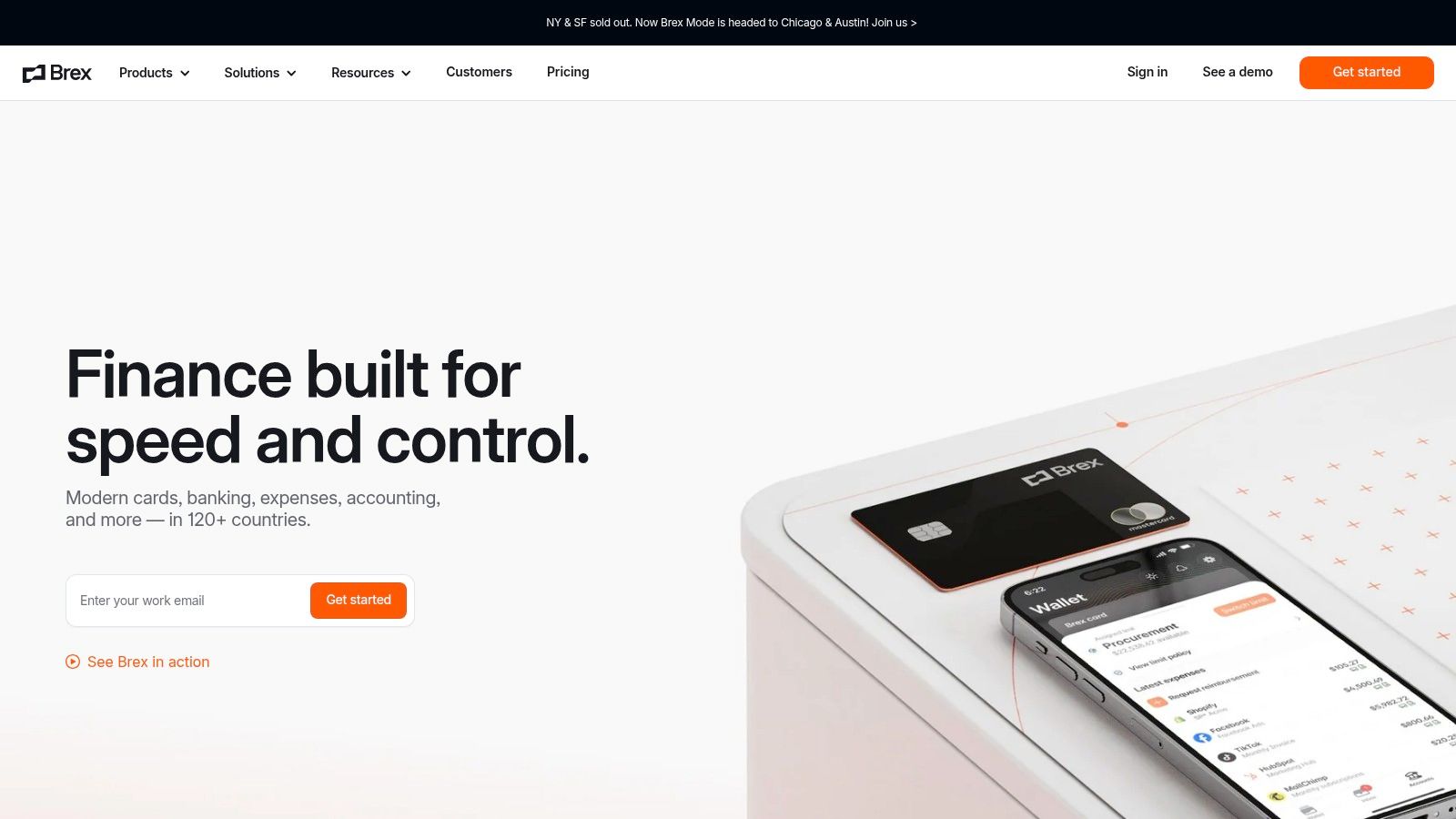
Brex remains one of the most recognizable startup names tied to San Francisco's growth economy. It built its reputation around corporate cards for startups, then expanded into spend management, reimbursements, bill pay, travel, budgeting, and broader finance workflows.
That matters for job seekers because the company sits where product velocity, finance operations, risk, and customer trust all collide. Those are demanding environments, but they're often great training grounds.
Brex fits people who want fintech intensity without joining a traditional bank. Product teams here deal with controls, policy, reporting, and money movement, but they also have to deliver a software experience that feels modern.
That combination tends to create demand for:
The trade-off is that eligibility, packaging, and feature access can vary by customer profile. From the inside, that usually means teams have to make sharper product decisions around segmentation than candidates first expect.
Brex is worth watching if you want startup speed plus the rigor that comes from handling business-critical financial workflows. See the platform at Brex.
Mercury is one of the cleaner examples of a startup that understood its audience early. Founders don't want banking to feel like paperwork. They want accounts, payments, cards, invoicing, and financial operations to work quickly and predictably.
That clarity makes Mercury compelling from a career standpoint. Companies with a simple external story often hide meaningful internal complexity. Banking products still require compliance discipline, edge-case handling, and careful trust design.
Mercury works well for candidates who like turning messy institutional processes into software people enjoy using. Engineers, product designers, PMs, risk professionals, customer operations leaders, and growth talent can all make an impact in that environment.
The company's appeal also comes from product restraint. Standard banking features are straightforward, onboarding is remote-friendly, and the product extends beyond bare-bones checking into cards, invoicing, payouts, and treasury-related workflows.
A few trade-offs are worth keeping in mind:
Mercury is a good target if you want one of the startups in San Francisco that still feels founder-native in its product decisions. Visit Mercury.
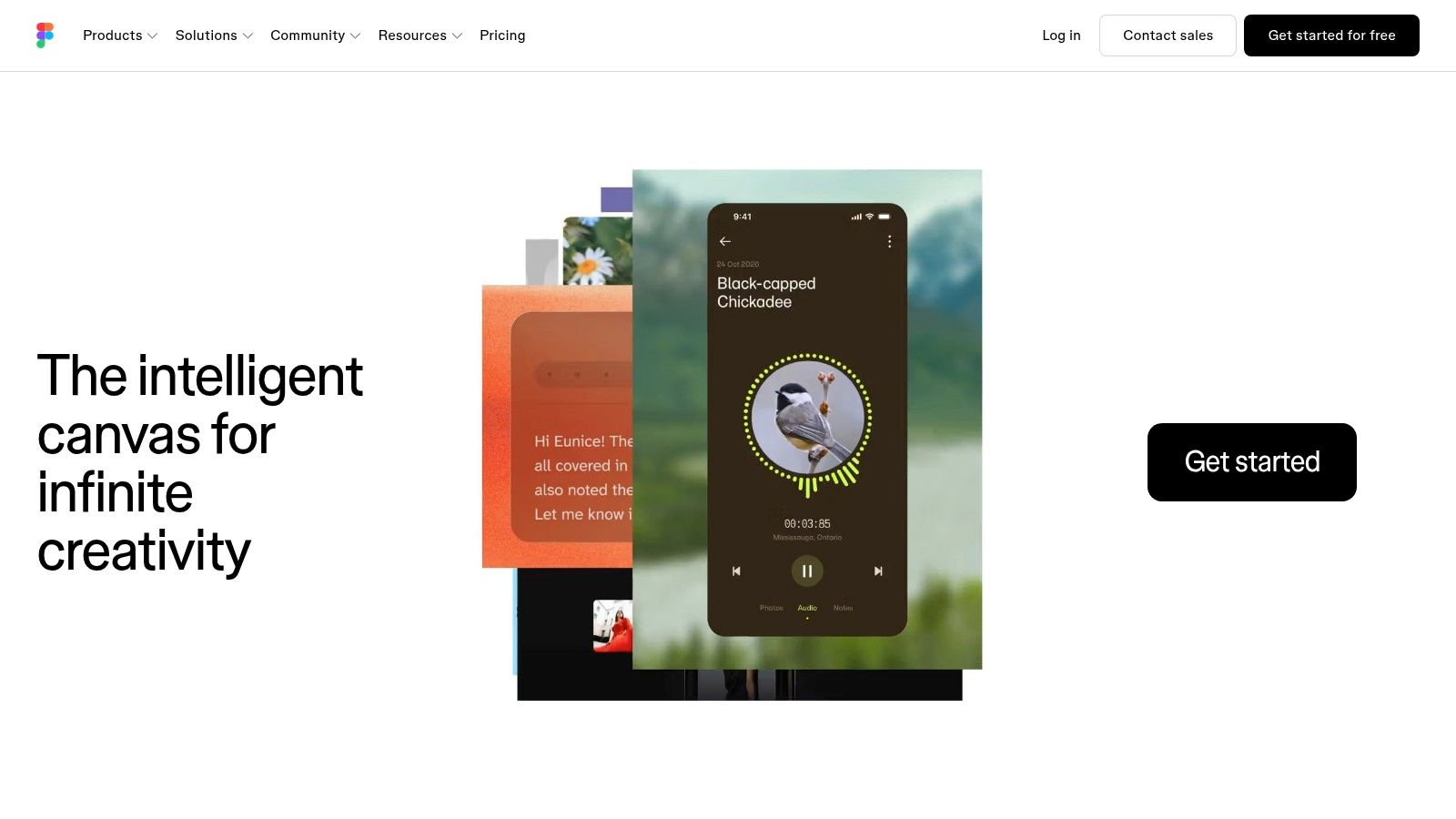
Figma sits in a different class from the others on this list. It's no longer just an emerging product darling. It's part of the core workflow for modern digital teams. But it still belongs in a conversation about startups in San Francisco because it shows what a product-led company can become when collaboration is the product.
Design, prototyping, handoff, whiteboarding, and systems work all live in one ecosystem. That gives the company broad surface area for talent.
Figma is especially strong for people who care about cross-functional product work. Designers use it. Engineers use it. PMs use it. Researchers, marketers, and founders often use it too. That kind of product penetration is rare and career-shaping.
The upside for candidates is obvious. You get to work on tools that shape how other startups build. The pressure is also obvious. Products this central to the workflow invite high expectations from users who notice every change.
Great collaboration tools create a tough standard for their own teams. Users expect polish, speed, and almost no friction.
This is a strong destination for product designers, design engineers, frontend engineers, PMs, developer platform talent, and community or education roles that support product adoption. If you're pursuing design work, your portfolio quality matters at least as much as your resume. These product design portfolio examples are a useful reference for the level of thinking strong teams expect.
Figma's ecosystem depth, plugin culture, and design-system relevance make it one of the most durable companies on this list. Explore the company at Figma.
A candidate deciding among these companies should compare more than brand recognition. The better question is what kind of work you want to do every day, how much complexity you want to handle, and which environment will give you the strongest next career move.
This table is meant to help with that judgment.
| Product | Implementation complexity | Resource requirements | Expected outcomes | Ideal use cases | Key advantages |
|---|---|---|---|---|---|
| Underdog.io | Low for candidates, moderate for employers (screening) | Minimal for applicants. Hiring teams pay per hire and coordinate introductions | Selective matches and faster confidential introductions | Early-stage to Series B startups hiring engineers, PMs, and designers. Passive candidates who want higher-signal conversations | Human-curated matching, privacy-first process, strong response and conversion rates |
| Rippling | Moderate to high (cross-module integrations) | Implementation time, HR, IT, and admin support. Some teams also use professional services | Centralized HR, IT, and finance data, with less manual work and fewer disconnected tools | Scaling startups that need payroll, benefits, device management, and identity automation in one system | Deep automation across HR, IT, and finance. Modular product expansion as the company grows |
| Retool | Low to moderate (developer-led low-code) | Engineering time to build apps, plus cloud or self-hosted deployment decisions | Faster internal tool delivery and quicker ops workflows | Teams building admin panels, dashboards, and CRUD tools | Fast assembly, JavaScript flexibility, and enterprise security controls |
| Vercel | Low for standard sites, moderate for complex edge or serverless setups | Dev workflow integration, plus monitoring and cost management for traffic and functions | Faster CI/CD deploys, automatic previews, and strong global app performance | Web teams, especially Next.js teams, that need previews, edge delivery, and scaling | Excellent developer experience, automatic previews, and global CDN and edge infrastructure |
| Brex | Low to moderate (finance onboarding and policy setup) | Finance and admin setup, plus package-dependent fees and eligibility requirements | Simplified spend management, reporting, travel coordination, and payables automation | Funded startups and scaleups managing corporate cards and employee expenses | Quick onboarding, strong controls, and unified finance workflows |
| Mercury | Low (account setup), though compliance checks apply | Compliance and eligibility requirements, plus integrations with ops and ERP tools | Transparent baseline fees, simplified startup banking, and modern payments workflows | Early-stage startups that need modern banking and payouts | $0 core account fees, easy remote setup, and startup-focused financial tools |
| Figma | Low to adopt. Org management gets more involved as seat count rises | Seat-based licensing, design system upkeep, and plugin management | Better real-time collaboration and faster design-to-dev handoff | Product and design teams that need collaborative prototyping and workshops | Real-time multiplayer design, strong handoff tools, and a rich plugin ecosystem |
A few trade-offs stand out.
Underdog.io is the outlier because it is a hiring channel, not an operating system for company workflows. For job seekers, that matters. The value is not learning another tool. The value is getting into a tighter pool where hiring teams are already serious.
Rippling, Brex, and Mercury appeal to candidates who like operational efficiency. The work often touches systems, policy, compliance, and cross-functional execution. Retool, Vercel, and Figma skew more product and developer-facing, which usually means faster user feedback and higher expectations around product quality.
For a job search, use this comparison as a filter. If you want broad business exposure, look harder at Rippling, Brex, or Mercury. If you want to build tools other technical teams use, Retool and Vercel deserve attention. If you want career capital from a product with deep design adoption, Figma stays in a category of its own.
You find a role at an SF startup that fits your background almost perfectly. Two days later, the posting already has a flood of applicants, and half of them look qualified on paper. That is a major challenge in San Francisco. Access matters almost as much as fit.
The market is large and crowded. San Francisco hosts 5,803+ funded startups across 41 industries with $4.2 billion in cumulative funding, according to VC Backed's San Francisco startup directory. StartupBlink reports that the broader San Francisco Bay ecosystem includes 17,298 startups, 18% of all U.S. startups, and 281 unicorns on its San Francisco ecosystem profile. That scale creates real opportunity, but it also rewards candidates who run a focused search instead of a wide one.
Funding patterns matter because they shape hiring patterns. Crunchbase News reported that the Bay Area captured 45% of all U.S. seed funding on a dollar basis in 2025. The San Francisco Examiner also reported that San Francisco area startups raised $92.9 billion through the first nine months of 2025. For job seekers, the practical takeaway is simple. New teams are forming fast, but many strong roles get filled through referrals, recruiter outreach, and curated candidate pools before a broad search produces results.
Treat your search like a campaign, not a browsing habit.
Start by choosing a lane tied to the companies in this list. Candidates with fintech, risk, compliance, or finance systems experience should spend more time on Brex and Mercury. Engineers and product builders who care about internal tools or developer infrastructure should push Retool and Vercel higher on the list. Candidates with strong collaboration, design systems, or product craft experience should make Figma a priority. Rippling fits people who like operational complexity and cross-functional ownership.
Then tailor your story to that lane. Hiring teams at top startups do not just ask whether you are capable. They ask whether you solve the kind of problem they expect to face in the next 12 months. A stronger pitch sounds specific: reduced onboarding time, shipped billing infrastructure, improved product activation, closed enterprise security gaps, or built workflows that saved internal teams hours each week. That level of specificity gets attention because it lowers the hiring manager's risk.
Curated channels help because they improve signal. Underdog.io is useful for candidates who want a more selective path into startup hiring, especially if they are employed and do not want a public search. One well-written profile, a clear summary of your strongest wins, and a tight target list usually outperform dozens of generic applications.
The trade-off is that targeted searches require more judgment. You apply to fewer roles. You spend more time refining your positioning. In return, you give yourself a better shot at conversations with companies that are ready to hire and more likely to value your background. In the SF startup market, that is usually the smarter bet.